10th Edition of
World Congress on Infectious Diseases & One Health
October 05-07, 2026 | Tokyo, Japan

10th Edition of
October 05-07, 2026 | Tokyo, Japan
The importance of vaccine development and immunization cannot be overstated, as vaccines have been one of the most effective public health tools in controlling infectious diseases. Over the years, vaccines have contributed to the eradication of smallpox and the near-elimination of polio, while also reducing the impact of diseases like measles and influenza. New advancements in vaccine platforms, such as mRNA technology, have opened the door for rapid responses to emerging infectious diseases. Equally important is the widespread implementation of vaccination programs, which are critical for ensuring population immunity and preventing outbreaks. Despite the successes, challenges like misinformation and disparities in vaccine access still need to be addressed to ensure the global health benefits of immunization.

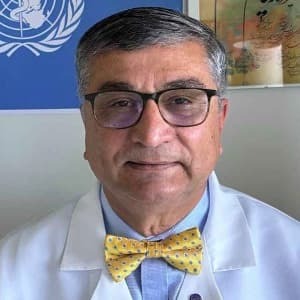


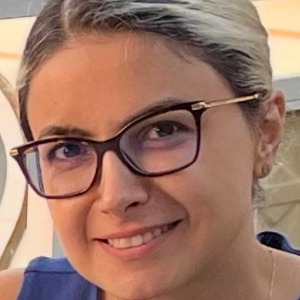
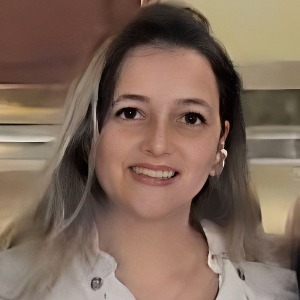



Title : Molecular crosstalk between the host and pathogen in Streptococcus pyogenes virulence
Francis J Castellino, University of Notre Dame, United States
Title : Phenotypic characterisation of non tuberculous mycobacterium species isolated from clinical specimens
Anant Marathe, Parul Institute of Medical Sciences and Research, Parul University, India
Title : Praziquantel for the treatment of preschool-aged children with schistosomiasis: Results of an RCT
Susannah Colt, Warren Alpert Medical School of Brown University, United States
Title : The largest histamine poisoning outbreak in Brazil: An experience report from a one health perspective in Fernando de Noronha
Camila Ferro, Fundacao Oswaldo Cruz (Fiocruz), Brazil
Title : Combating antimicrobial resistance in sub-Saharan Africa: Advancing one health strategies for sustainable infectious disease control
Ugorji Miracle Enyinnaya, Greatlink Pharmaceutical, Nigeria
Title : Awareness levels and associated factors regarding HIV/AIDS among youth of red ribbon clubs in colleges of Chandigarh, India: A mixed-methods study
Kapil Goel, PGIMER, India