10th Edition of
World Congress on Infectious Diseases & One Health
October 05-07, 2026 | Tokyo, Japan

10th Edition of
October 05-07, 2026 | Tokyo, Japan
In the realm of microbiology, the symbiotic relationship between beneficial microbes and antimicrobials plays a crucial role in maintaining ecological balance and human health. Beneficial microbes, such as probiotics, contribute significantly to our well-being by promoting a harmonious coexistence with other microorganisms. Probiotics, commonly found in fermented foods and supplements, are known for their ability to enhance gut health. These microbes, predominantly strains of bacteria like Lactobacillus and Bifidobacterium, not only aid in digestion but also bolster the immune system. Remarkably, some beneficial microbes produce antimicrobial substances that combat harmful pathogens. Antimicrobials derived from beneficial microbes offer a natural and sustainable alternative to traditional antibiotics. These compounds, produced by microorganisms like Streptomyces, possess antibacterial, antifungal, and antiviral properties. Harnessing the power of these microbial allies holds promise for developing novel therapeutic agents that can mitigate the risks associated with antibiotic resistance.

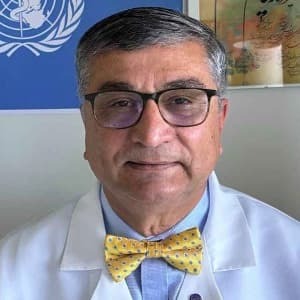







Title : Molecular crosstalk between the host and pathogen in Streptococcus pyogenes virulence
Francis J Castellino, University of Notre Dame, United States
Title : Phenotypic characterisation of non tuberculous mycobacterium species isolated from clinical specimens
Anant Marathe, Parul Institute of Medical Sciences and Research, Parul University, India
Title : Praziquantel for the treatment of preschool-aged children with schistosomiasis: Results of an RCT
Susannah Colt, Warren Alpert Medical School of Brown University, United States
Title : The largest histamine poisoning outbreak in Brazil: An experience report from a one health perspective in Fernando de Noronha
Camila Ferro, Fundacao Oswaldo Cruz (Fiocruz), Brazil
Title : Combating antimicrobial resistance in sub-Saharan Africa: Advancing one health strategies for sustainable infectious disease control
Ugorji Miracle Enyinnaya, Greatlink Pharmaceutical, Nigeria
Title : Awareness levels and associated factors regarding HIV/AIDS among youth of red ribbon clubs in colleges of Chandigarh, India: A mixed-methods study
Kapil Goel, PGIMER, India