10th Edition of
World Congress on Infectious Diseases & One Health
October 05-07, 2026 | Tokyo, Japan

10th Edition of
October 05-07, 2026 | Tokyo, Japan
The field of bacteriology is continuously evolving, driven by advancements in technology and the constant discovery of new bacterial species. Bacteriologists study the vast diversity of bacteria, ranging from harmless commensals to deadly pathogens. They investigate the mechanisms of bacterial growth, metabolism, and interaction with hosts and environments. Bacteriology also plays a vital role in clinical microbiology, where the identification and characterization of pathogenic bacteria are essential for diagnosing infectious diseases and guiding treatment strategies. Moreover, bacteriological research contributes to our understanding of antimicrobial resistance, bacterial evolution, and the development of strategies to combat emerging infectious threats. In summary, bacteriology is a dynamic and multidisciplinary field that continues to expand our knowledge of bacteria and their complex interactions with living organisms and ecosystems.

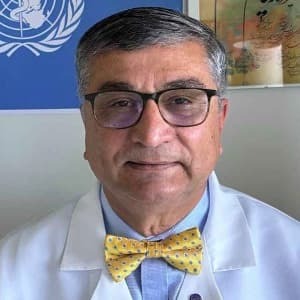







Title : Molecular crosstalk between the host and pathogen in Streptococcus pyogenes virulence
Francis J Castellino, University of Notre Dame, United States
Title : Phenotypic characterisation of non tuberculous mycobacterium species isolated from clinical specimens
Anant Marathe, Parul Institute of Medical Sciences and Research, Parul University, India
Title : Praziquantel for the treatment of preschool-aged children with schistosomiasis: Results of an RCT
Susannah Colt, Warren Alpert Medical School of Brown University, United States
Title : The largest histamine poisoning outbreak in Brazil: An experience report from a one health perspective in Fernando de Noronha
Camila Ferro, Fundacao Oswaldo Cruz (Fiocruz), Brazil
Title : Combating antimicrobial resistance in sub-Saharan Africa: Advancing one health strategies for sustainable infectious disease control
Ugorji Miracle Enyinnaya, Greatlink Pharmaceutical, Nigeria
Title : Awareness levels and associated factors regarding HIV/AIDS among youth of red ribbon clubs in colleges of Chandigarh, India: A mixed-methods study
Kapil Goel, PGIMER, India