10th Edition of
World Congress on Infectious Diseases & One Health
October 05-07, 2026 | Tokyo, Japan

10th Edition of
October 05-07, 2026 | Tokyo, Japan
Antiretroviral therapies (ART) have been transformative in the management of Human Immunodeficiency Virus (HIV) infection, altering the course of HIV/AIDS from a once-lethal condition to a chronic and manageable disease. Comprising a combination of different drug classes, ART inhibits viral replication at various stages of the HIV life cycle. Nucleoside reverse transcriptase inhibitors (NRTIs), non-nucleoside reverse transcriptase inhibitors (NNRTIs), protease inhibitors (PIs), integrase strand transfer inhibitors (INSTIs), and entry inhibitors collectively form the arsenal against HIV. The introduction of highly active antiretroviral therapy (HAART) marked a turning point, suppressing viral replication, preserving immune function, and significantly prolonging the lives of those living with HIV. Adherence to strict medication regimens is crucial to achieve viral suppression, prevent drug resistance, and reduce the risk of HIV transmission. As research continues, newer and more tolerable antiretroviral drugs emerge, promising enhanced efficacy and reduced side effects in the ongoing fight against HIV/AIDS.

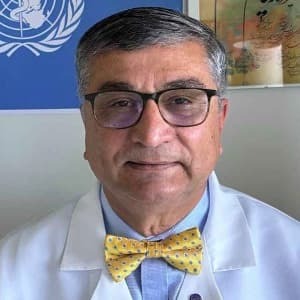







Title : Molecular crosstalk between the host and pathogen in Streptococcus pyogenes virulence
Francis J Castellino, University of Notre Dame, United States
Title : Phenotypic characterisation of non tuberculous mycobacterium species isolated from clinical specimens
Anant Marathe, Parul Institute of Medical Sciences and Research, Parul University, India
Title : Praziquantel for the treatment of preschool-aged children with schistosomiasis: Results of an RCT
Susannah Colt, Warren Alpert Medical School of Brown University, United States
Title : The largest histamine poisoning outbreak in Brazil: An experience report from a one health perspective in Fernando de Noronha
Camila Ferro, Fundacao Oswaldo Cruz (Fiocruz), Brazil
Title : Combating antimicrobial resistance in sub-Saharan Africa: Advancing one health strategies for sustainable infectious disease control
Ugorji Miracle Enyinnaya, Greatlink Pharmaceutical, Nigeria
Title : Awareness levels and associated factors regarding HIV/AIDS among youth of red ribbon clubs in colleges of Chandigarh, India: A mixed-methods study
Kapil Goel, PGIMER, India